

Commentary
Maksim Samorukov
{
  "authors": [
    "Maksim Samorukov"
  ],
  "type": "other",
  "centerAffiliationAll": "",
  "centers": [
    "Carnegie Endowment for International Peace",
    "Carnegie Russia Eurasia Center"
  ],
  "englishNewsletterAll": "",
  "nonEnglishNewsletterAll": "",
  "primaryCenter": "Carnegie Russia Eurasia Center",
  "programAffiliation": "",
  "programs": [],
  "projects": [],
  "regions": [
    "Western Balkans",
    "Russia"
  ],
  "topics": [
    "Foreign Policy",
    "EU",
    "Security"
  ]
}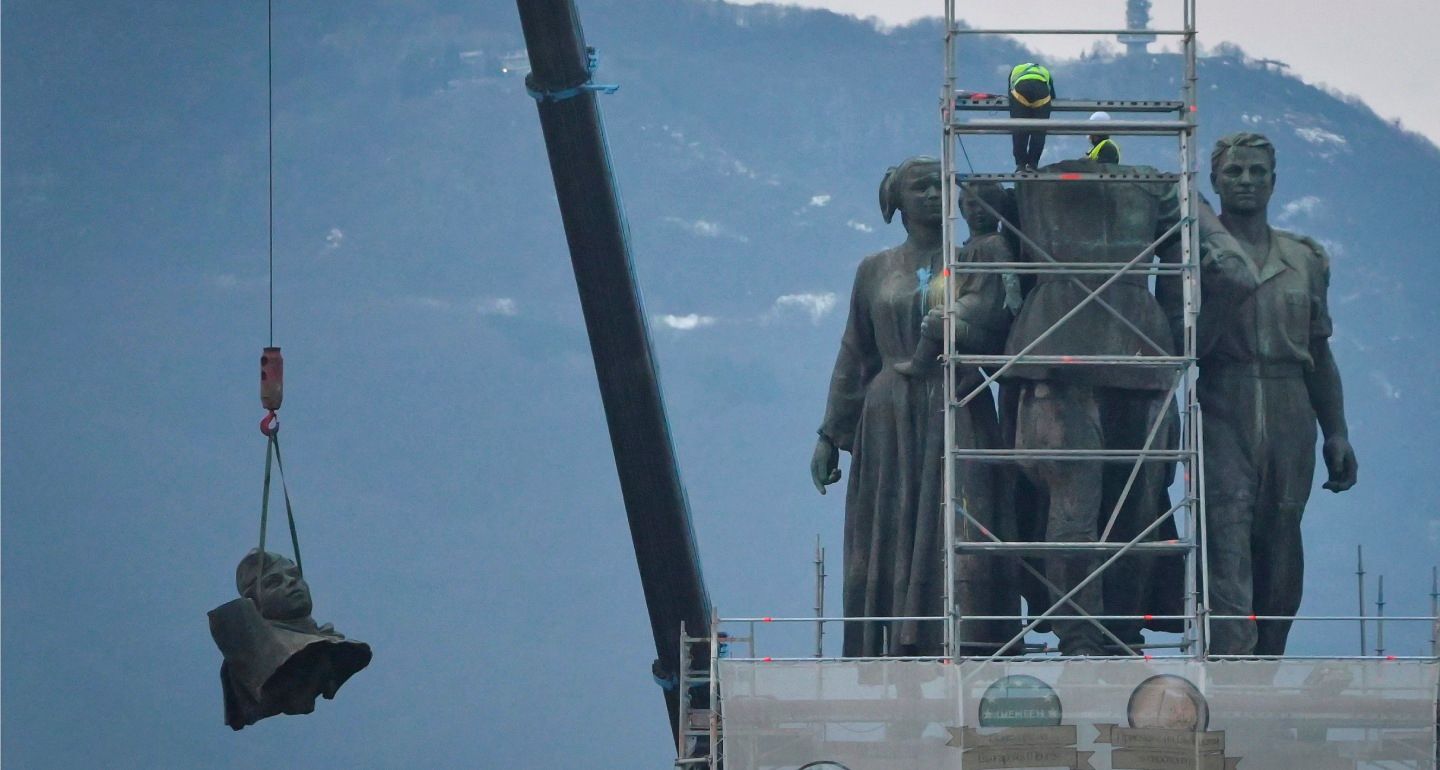
Source: Getty Images
Bulgarians may still know the name of the Russian ambassador better than the frequently changing heads of their own government, but beyond the media buzz, most of Moscow’s leverage in Bulgaria has perished in the flames of Russia’s war against Ukraine.
For over a century and a half, Bulgaria has featured prominently in Russia’s Black Sea strategy. Instead of direct annexation, the country was assigned the role of a humble satellite, always ready to facilitate Russia’s access to Europe and the Mediterranean as well as ward off other powers from Russia’s southern coast. These objectives haven’t changed much in the 21st century. Joint energy projects with Bulgaria were supposed to bring Russian energy giants closer to European markets, bypassing less pliant transit states, while historical affinity with Bulgarians was leveraged to limit NATO’s presence in and around the Black Sea. The results of Russia’s efforts, however, are in many ways the opposite of those intended.
This paper is a part of the project “Russian Intentions and Actions in the Black Sea” by Transatlantic Leadership Network. Other papers of the project are available here.
Fellow, Carnegie Russia Eurasia Center
Samorukov is a fellow at the Carnegie Russia Eurasia Center.
Recent Work
Maksim Samorukov
Maksim Samorukov
Carnegie does not take institutional positions on public policy issues; the views represented herein are those of the author(s) and do not necessarily reflect the views of Carnegie, its staff, or its trustees.
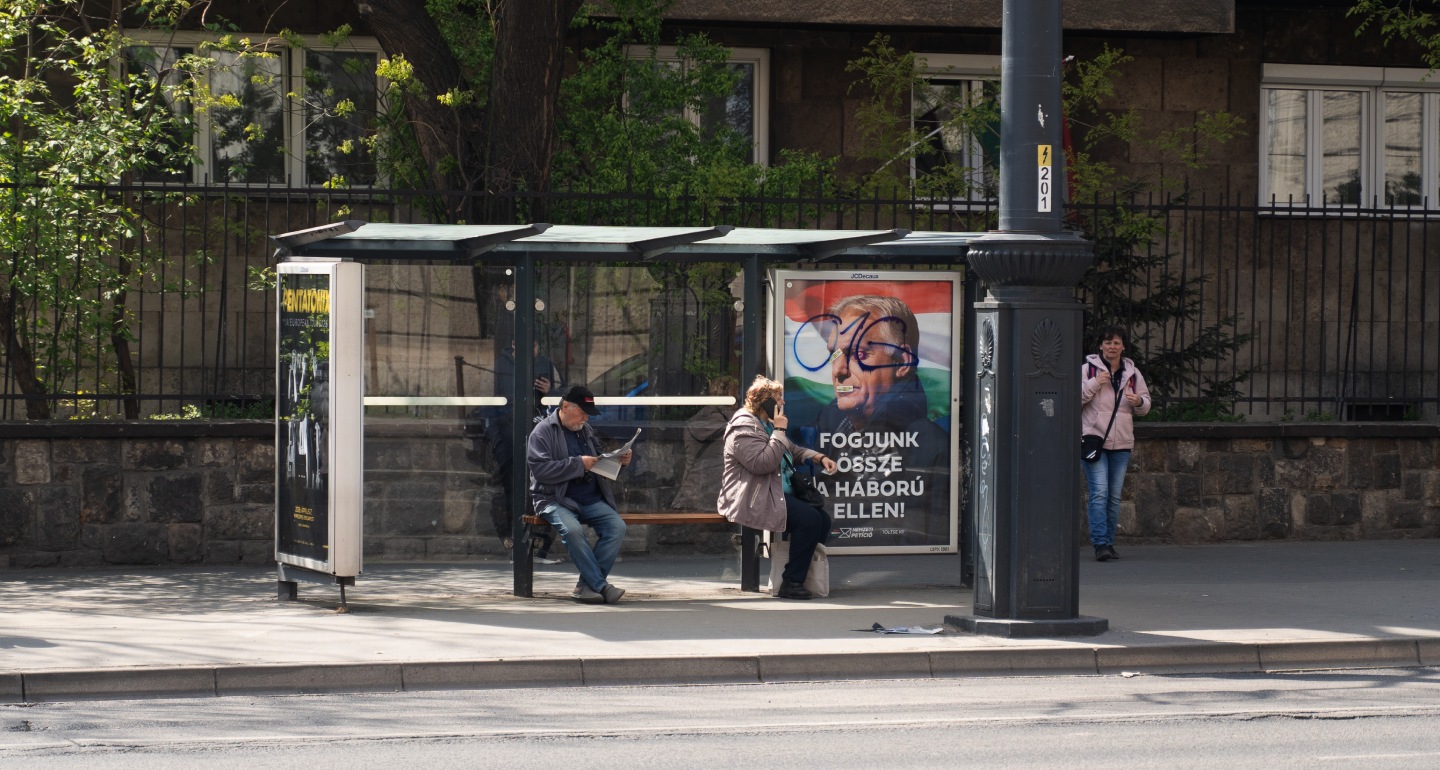
Orbán created an image for himself as virtually the only opponent of aid to Ukraine in the entire EU. But in reality, he was simply willing to use his veto to absorb all the backlash, allowing other opponents to remain in the shadows.
Maksim Samorukov
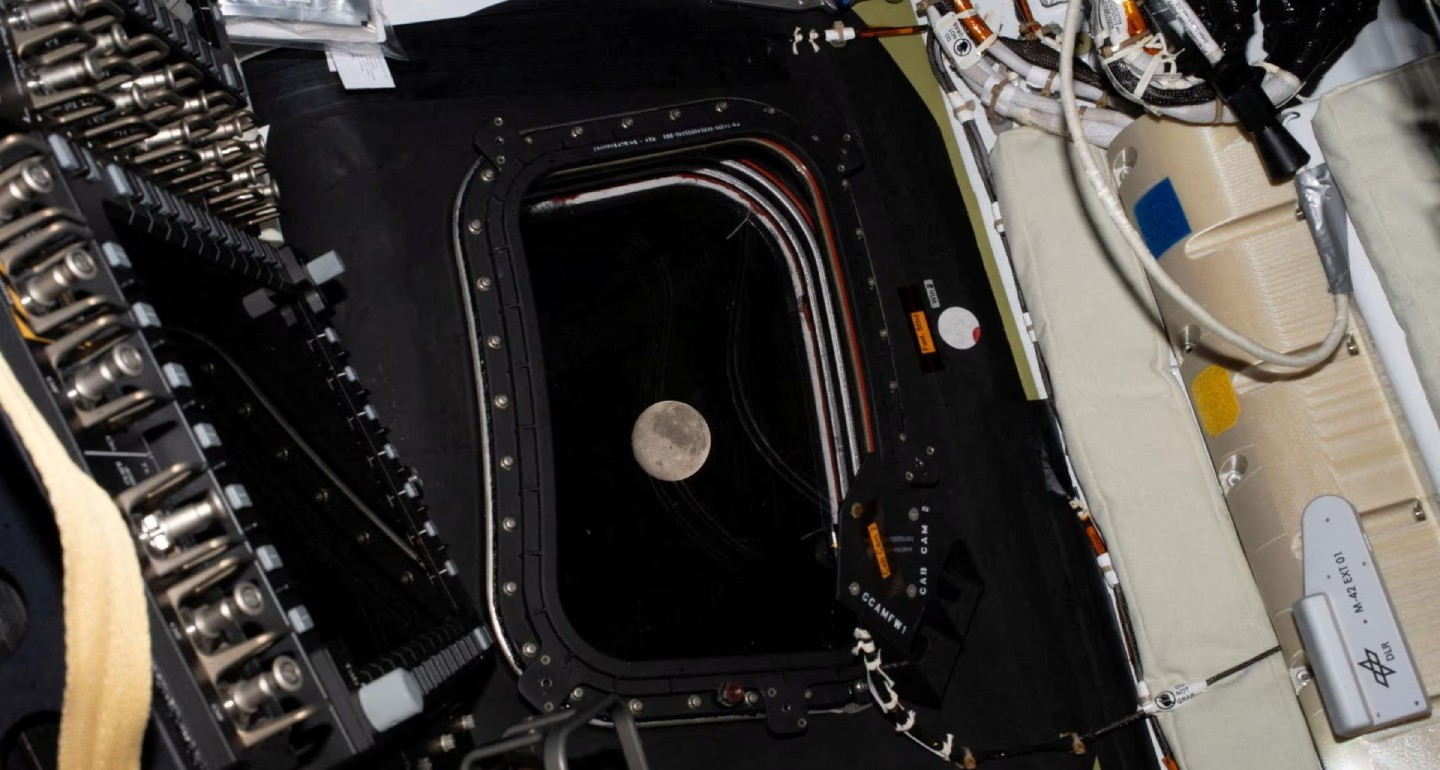
Despite having the resources and expertise, the Russian space industry missed the opportunity to offer the United States or China a mutually rewarding partnership in the lunar race.

Georgy Trishkin

Central Asia’s digital ambitions are achievable, but only if policy is aligned with the region’s physical constraints.

Aruzhan Meirkhanova
The internet is awash not only with instructions from digital security experts, but also with urban legends and conspiracy theories that divert attention away from the real dangers of Max.

David Frenkel

The prospect of a total block on Russia’s most popular messaging app has sparked disagreement between the regime’s political managers and its security agencies.

Andrey Pertsev